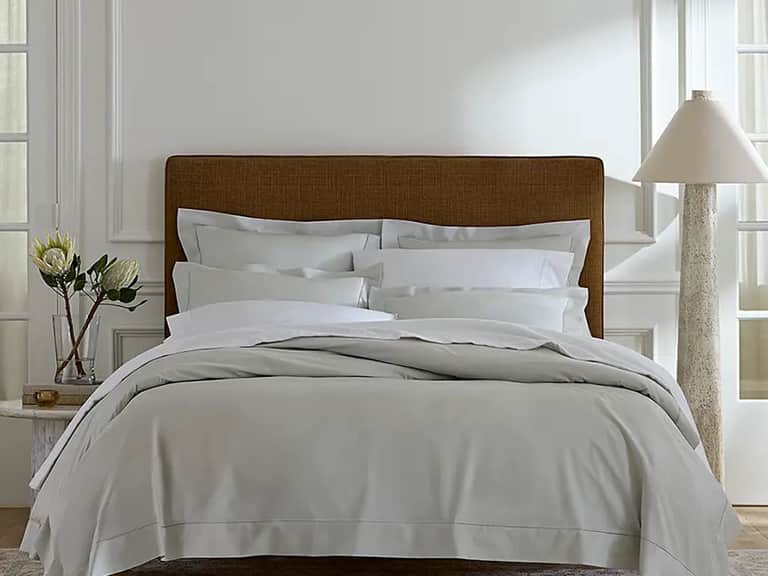
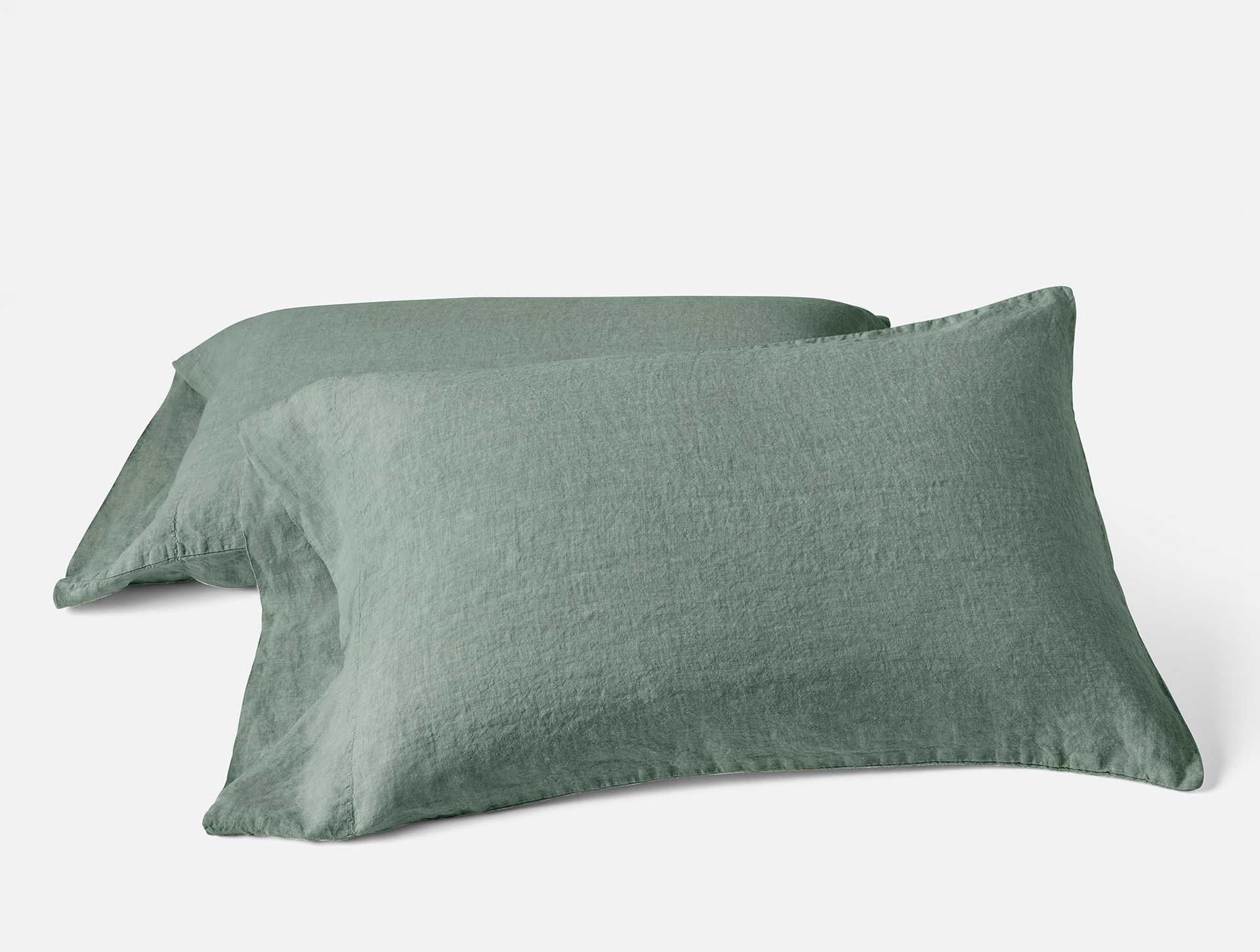
Exploring Linen Craft Across Regions: from Belgian Flax to Italian Weaves
A New Yorker–style meditation on regional linen traditions, their historical textures, and the artisans who keep this ancient craft alive today.
Linen is nobody’s simple textile. It is a conversation between terroirs and time, a fabric that remembers the fields where its flax grew and the looms where it learned to speak filigree and weight. In this regional tapestry, Belgium’s mastery of flax speaks with Belgium’s weathered mills; Italy’s studios whisper with the scent of oak beams and salted air. The story of linen is a study in texture—something you feel in the hand before you can name it—yet it is also a chronicle of technique, trade routes, and an ethos of responsible craft that travels across centuries and borders.
This piece offers a concise, regionally flavored tour of linen’s ascent from flax to fabric, through the lens of how sourcing, spinning, and weaving diverge by place. It is a map of texture, a catalog of milestones, and a celebration of the artisans—both historic and contemporary—who keep linen’s spirit durable, breathable, and quietly luxurious.
Regional threads: how geography shapes linen
The Belgian label is more than a mark of origin; it is a credential, a promise of a flax lineage that threads through the country’s loom heritage. In Belgium, the flax is often spun into a fine, pale linen with a cool hand and a crisp drape that feels almost architectural, suitable for ceremonial tablecloths and everyday bed linens alike. The signature signal is a balance of finesse and resilience, a fabric that can endure a long wash cycle and still retain its temperate, breathable character.
Across the Channel, French linen—particular to the regions that have long synchronized farming with textile craft—offers a similar elegance with a touch more rustic warmth. The French approach often emphasizes stone-washed softness that reveals a relaxed beauty with use, an attribute welcomed in contemporary interiors that crave lived-in luxury.
A chronological thread: stages of linen production
Linen’s journey from field to fabric is rigorous and ritualistic. It begins with retting—a process that loosens the fibers by rotting the stalks in water or soil. Next comes breaking, where the woody stem is separated from the fiber; scutching, which further frees the fiber from its bark; and hackling, a combing step that straightens the fibers for spinning. The spinning itself is where patience becomes a metric—distance traveled by a cylinder and the length of a spindle’s argument. Finally, weaving binds the thread into cloth, weaving tradition and technology into a single surface.
Regional practices influence every stage. In Belgium, retting and scutching may emphasize preserving a delicate, satiny hand. In Italy, studios often foreground a more pronounced texture—slightly thicker, with a warm glow—that suits the country’s sun and shade architecture. The result is linen that transcends function: it becomes a textile muse that invites touch, contemplation, and the slow rituals of care.
Profiles in craft: a Belgian mill and an Italian weaving studio
To illuminate these traditions, consider a Belgian flax mill that has weathered decades of economic tides by sticking to a disciplined, transparent practice. Its mark is in the fiber’s brightness and its texture’s crispness—woven into linens that stay cool in summer and drape with a quiet, dignified weight in winter. The mill’s story is as much about technical mastery as it is about a community’s commitment to ethical sourcing—flax grown in Europe, processed with minimal chemical intervention, and finished with honesty rather than haste.
Then there is an Italian weaving studio where design meets discipline. The studio’s looms translate centuries of attention to fiber selection and weave structure into contemporary textiles that still honour craft lineage. You can feel the Italian approach in the subtle hand, the way the fabric holds a crease without stiffness, the manner in which a stripe or plain weave reads as both modern and timeless.
These profiles reveal two poles of the linen spectrum: one rooted in the deep memory of a region’s agriculture and its traditional workshop, the other animated by postwar modernization and a global appetite for artisanal textiles. Yet both share an insistence on quality signals—uniformity in fiber length, even in processing, and a transparency about origin that matters in a world of supply chains.
Profiles in history: three key individuals from different time periods
1) Erasmus van der Flax (c. 1440–1500)
A hypothetical master miller whose notes on retting and fiber strength shaped early Flemish linen practice.
Erasmus represents a lineage of craft knowledge that traveled from the fields to the workshop, codified in carried wisdom about moisture, fiber length, and the delicate balance between softness and tensile strength. His era—the late medieval to early Renaissance period—saw linen becoming a staple of domestic life and ceremonial design, with flax farmers and linen weavers forming an integrated system that sustained towns and guilds.
2) Maria Luisa di Cattaneo (c. 1850–1920)
An Italian studio weaver who championed dye techniques and a refined plain weave with subtle texture.
Maria Luisa was a bridge between regional tradition and the first wave of industrial modernization. Her work with natural dyes and carefully controlled loom timings produced linens with luminous hand and durable construction, a testament to Italy’s long conversation with texture as a form of design language.
3) Amina Okafor (b. 1968)
A contemporary textile historian and maker who documents and reinterprets traditional linen practices in West Africa and Europe.
Amina is a modern voice who traces linen’s cross-cultural journey, highlighting how regional know-how meets global markets. Her work is a reminder that linen’s craftsmanship is not static: it adapts to new fibers, new weaving technologies, and new conversations about sustainability and fair labor.
Technique notes: regional signals in texture and weave
- Belgian linen texture: a refined, bright hand with a drape that feels almost satin-like in sheen, yet robust under repeated washing. Signals of origin are often more evident in the fiber’s uniformity and the weave’s crispness.
- French linen warmth: a slightly softer, more forgiving texture that carries a hint of rustic charm. Stone-washed finishes are common, inviting a sense of memory and comfort in modern wardrobes.
- Italian weaving sensibility: weave density that balances weight and breathability; hands that read as both luxurious and practical. Italian studios often prioritize a harmony between edge details, such as hems and pick-stitch accents, and the linen’s natural texture.
Modern relevance: care, sustainability, and storytelling through linen
The linen narratives of Belgium and Italy rest on modern concerns: sustainable farming, low-impact processing, and transparent supply chains. Contemporary makers foreground GOTS certification, ethical labor, and traceable flax origins, ensuring the fabric not only feels good but also aligns with a broader ethical framework.
This is where the regional tales intersect with today’s audiences. In an era when interior design intersects with philosophy—how we live, how we source, and how we care—linen becomes a case study in responsible luxury. The texture remains tactile evidence of history; its care instructions—machine wash cold, gentle cycles, line dry when possible—become a modern ritual of stewardship. And the result is a fabric that not only wraps the body in comfort but also encodes a narrative about place, time, and human craft.
A curated interlude: a product that embodies the region’s craft
Among linen’s contemporary offerings, a duvet cover stands as a quiet ambassador of regional finesse. The Organic Relaxed Linen Duvet Cover, a GOTS-certified piece of 100% organic French linen woven in Portugal, embodies the quiet luxury of linen. It wears softening with time, its coconut shell buttons and inside ties ensuring a secure finish that refuses to be fussy. Its fabric weight speaks to a fabric that breathes as it rests—the memory of fields and looms present in every fiber.
This piece, while modern in its construction and care, also nods to a lineage of linen that respects the craft’s past while embracing sustainability in the present.
Organic Relaxed Linen Duvet Cover
GOTS-certified 100% organic French linen, woven in Portugal, coconut shell buttons, and inside ties.

Closing thought: linen as a living archive
Linen endures because it is built on a patient, almost fiduciary relationship with the earth and the loom. It rewards caregivers—the curators of linen culture—with textures that soften, colors that resist, and a silhouette that remains relevant across eras. The Belgian and Italian threads—once separate, now braided by modern sustainability and global curiosity—claim a shared future. They remind us that a single bolt of linen can hold a hundred stories: of farmers, millers, designers, historians, and lovers of craft who, in the quiet hours, keep the fabric honest.